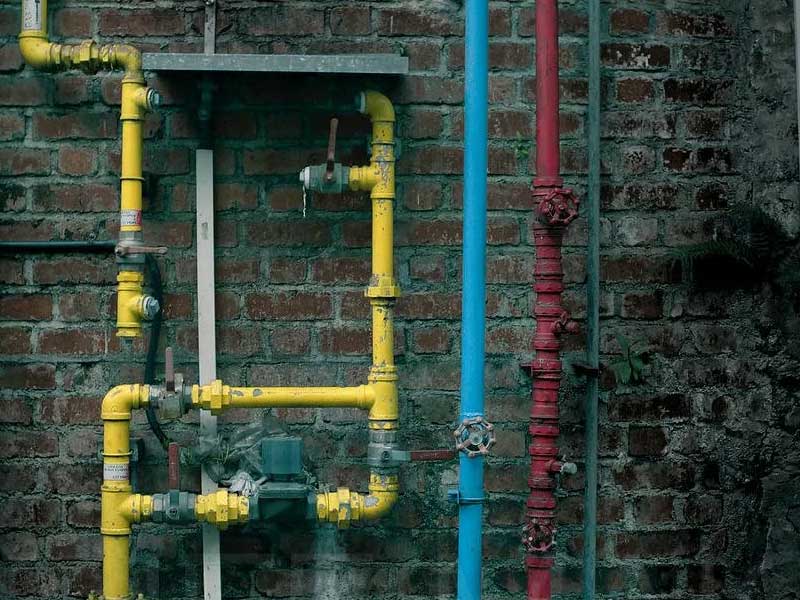
Water pipes running through the walls of your home are essential for delivering water to various fixtures. However, the installation of these pipes needs to be done meticulously to avoid potential issues. Improper installation can lead to a host of problems, from water damage to increased utility bills. Let’s explore why careful installation is critical.
- Importance of Proper Pipe Installation
- Common Problems with Improper Installation
- Methods of Water Leak Detection in Walls
- Preventive Measures
Importance of Proper Pipe Installation
Properly installed water pipes ensure that water is delivered efficiently and safely throughout your home. Careful installation minimizes the risk of leaks, which can cause extensive damage over time. It also ensures that the pipes are secure and not prone to bursts or other failures that can disrupt your daily life.
Common Problems with Improper Installation
Water Damage
One of the most significant issues with improperly installed pipes is water damage. When pipes leak within walls, the water can seep into the surrounding materials, causing rot and decay. This damage can be extensive and expensive to repair.
Mold Growth
Water leaks in walls create a perfect environment for mold growth. Mold thrives in damp, dark areas, and once it starts growing, it can spread quickly. Mold not only damages your home but also poses serious health risks to you and your family.
Structural Damage
Water leaks can weaken the structural integrity of your home. Over time, continuous exposure to moisture can erode wood, drywall, and other building materials, leading to structural damage. This can compromise the safety and stability of your home.
Increased Water Bills
Even small leaks can lead to significant increases in your water bills. Water leak detection in walls is crucial to identifying and fixing these leaks early, preventing wastage and reducing unnecessary expenses.
Methods of Water Leak Detection in Walls
Moisture Meters
Moisture meters are used to measure the moisture levels in walls. High readings can indicate the presence of a leak. These devices are handy for detecting leaks that are not immediately visible.
Thermal Imaging
Thermal imaging cameras detect temperature differences in walls. Areas with water leaks tend to be cooler than the surrounding areas, making them identifiable through thermal imaging. This non-invasive method is highly effective for pinpointing leaks.
Acoustic Listening Devices
Acoustic listening devices amplify the sound of water leaking within walls. Technicians use these devices to locate the precise point of the leak by listening for the distinctive sound of escaping water.
Visual Inspection
In some cases, a visual inspection can reveal signs of water leaks. Discoloration, peeling paint, or damp spots on walls are indicators that there might be a leak behind the surface. While this method is less precise, it can still be useful for initial assessments.
Preventive Measures
To avoid the complications of water leaks in walls, preventive measures are essential:
- Ensure pipes are installed by qualified professionals.
- Use high-quality materials for plumbing installations.
- Regularly inspect your home for signs of leaks.
- Install leak detection systems to monitor for potential issues.
Water pipes should be carefully installed in walls to prevent a myriad of problems, from water damage and mold growth to structural issues and increased water bills. By understanding the importance of proper installation and utilizing effective water leak detection methods, homeowners can safeguard their properties and maintain a safe, dry living environment.